

Mapping
Mobile Mapping Software
Software platform that processes sensor data collected from mobile vehicles to create 360° panoramic maps, inventory data, and up-to-date urban information systems.


Asset Management System is a comprehensive system developed to address the complex asset management issues faced by modern businesses. This system allows organizations to effectively monitor, analyze and manage their assets on a location-based basis.
Asset Management System is a comprehensive system developed to address the complex asset management issues faced by modern businesses. This system allows organizations to effectively monitor, analyze and manage their assets on a location-based basis.Asset Management System helps businesses optimize their asset portfolios, reduce maintenance costs, increase efficiency and manage operational risks.
The main purpose of the Asset Management System is to collect and analyze asset data throughout the asset lifecycle and integrate this data into decision-making processes. This system often works integrated with innovative technologies such as geographic information systems (GIS), mobile technologies, big data analytics and artificial intelligence. In this way, businesses can optimize the use of their assets, develop correct scheduling and maintenance strategies, and make their operational processes more efficient.
The advantages that the Asset Management System provides to businesses include efficient use of resources, increasing service continuity, reducing operational costs and gaining a competitive advantage. In addition, this system can contribute to organizations in terms of environmental sustainability and governance and support the creation of more sustainable business models.
Areas Where Asset Management Systems Are Most Used:
Industrial Sectors : In industrial areas such as large industrial and production facilities, the energy sector, transportation and logistics companies, the Asset Management System is used for machinery and equipment management, maintenance planning, efficiency monitoring and operational risk management.
Infrastructure and City Management : In municipalities, infrastructure companies and smart city Projects, the Asset Management System is used for monitoring, maintenance and management of infrastructure assets (roads, water and sewage systems, power lines, etc.). In this way, cities can be made more efficient and sustainable.
Telecommunications: Telecommunications operators can use the Asset Management System in areas such as management of network infrastructure assets, capacity planning, fault management and network performance monitoring.
Real Estate Management : Real estate companies and managers can use the Asset Management System for issues such as maintenance of buildings, real estate portfolio management, rental processes and energy efficiency monitoring.
Financial Institutions : Banks and financial institutions can use the Asset Management System to manage ATM networks, branch operations, IT infrastructure and other physical assets.
Healthcare Sector : Hospitals and healthcare organizations can use the Asset Management System in areas such as medical equipment management, hospital infrastructure maintenance, inventory management and patient information systems.
Period:
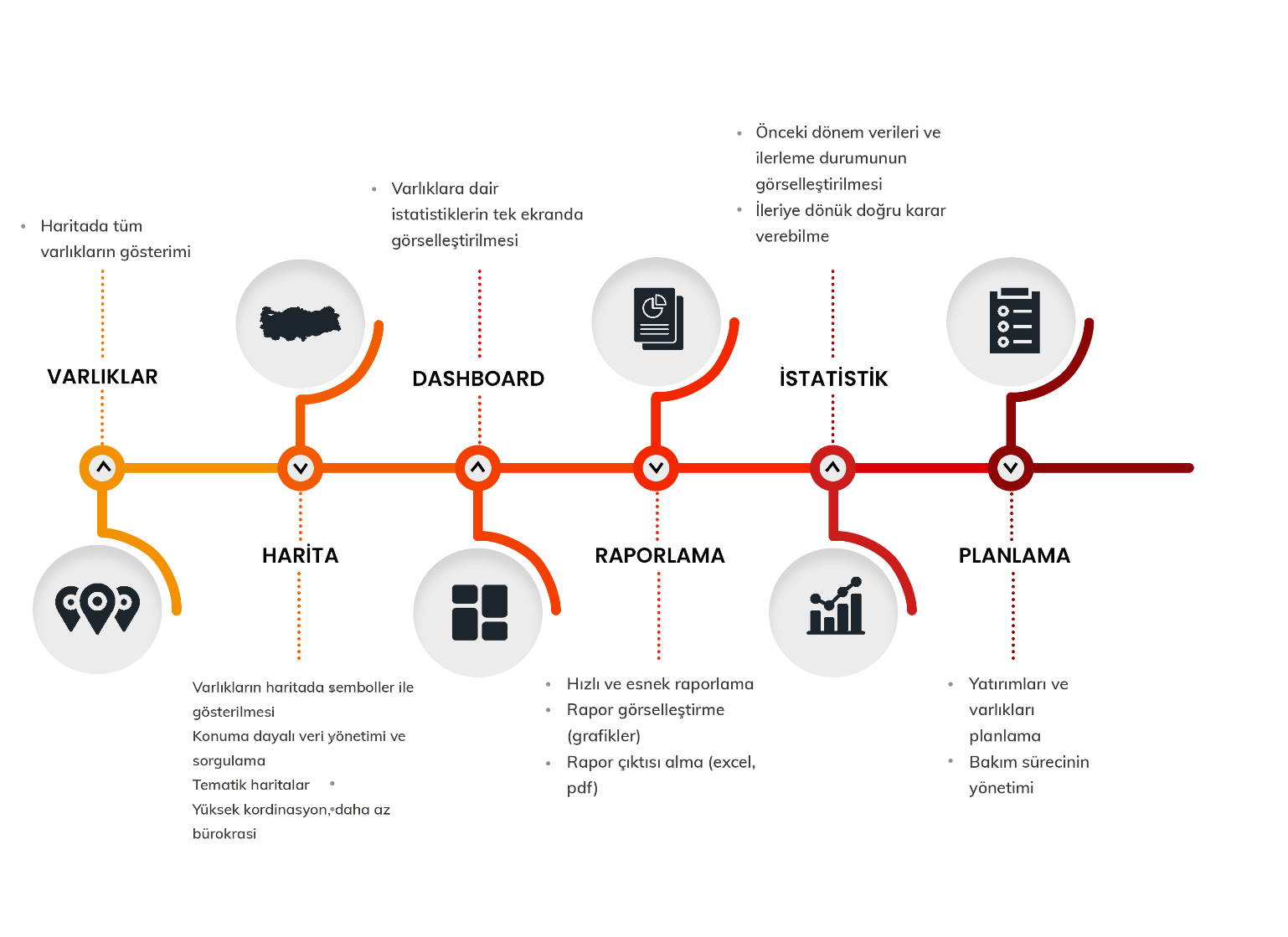
Features:

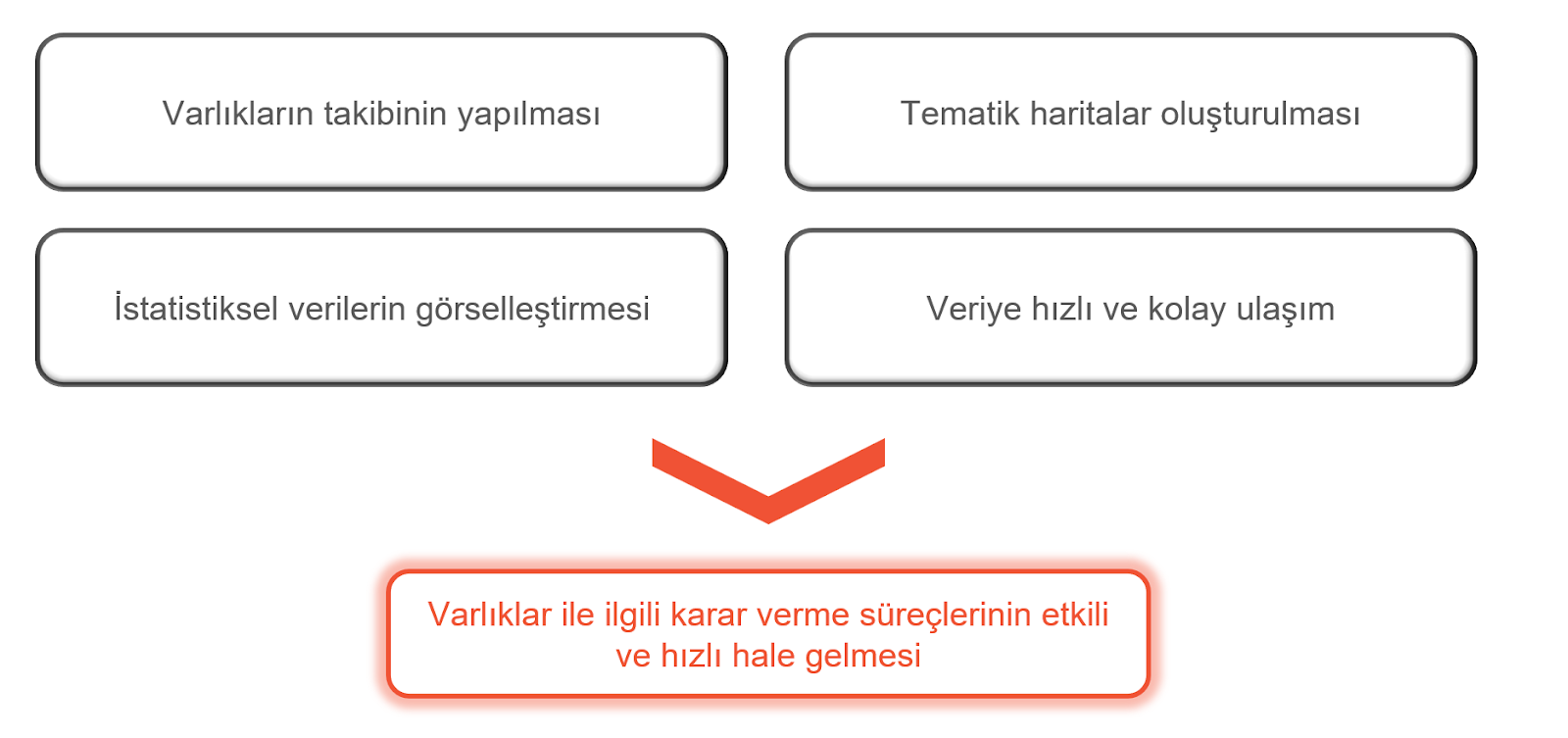
Benefits and Gains:
Sample Projects Pictures:
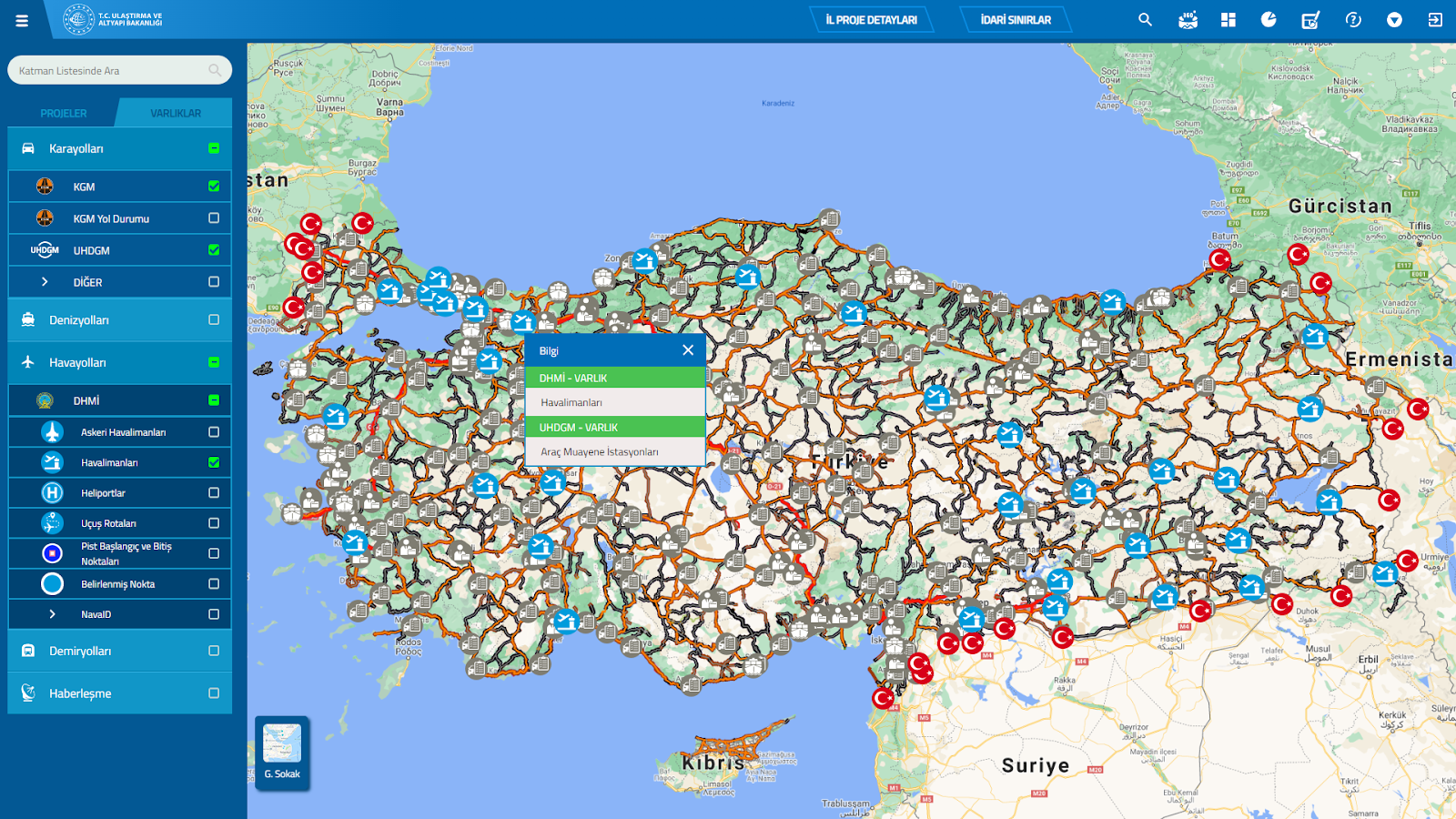
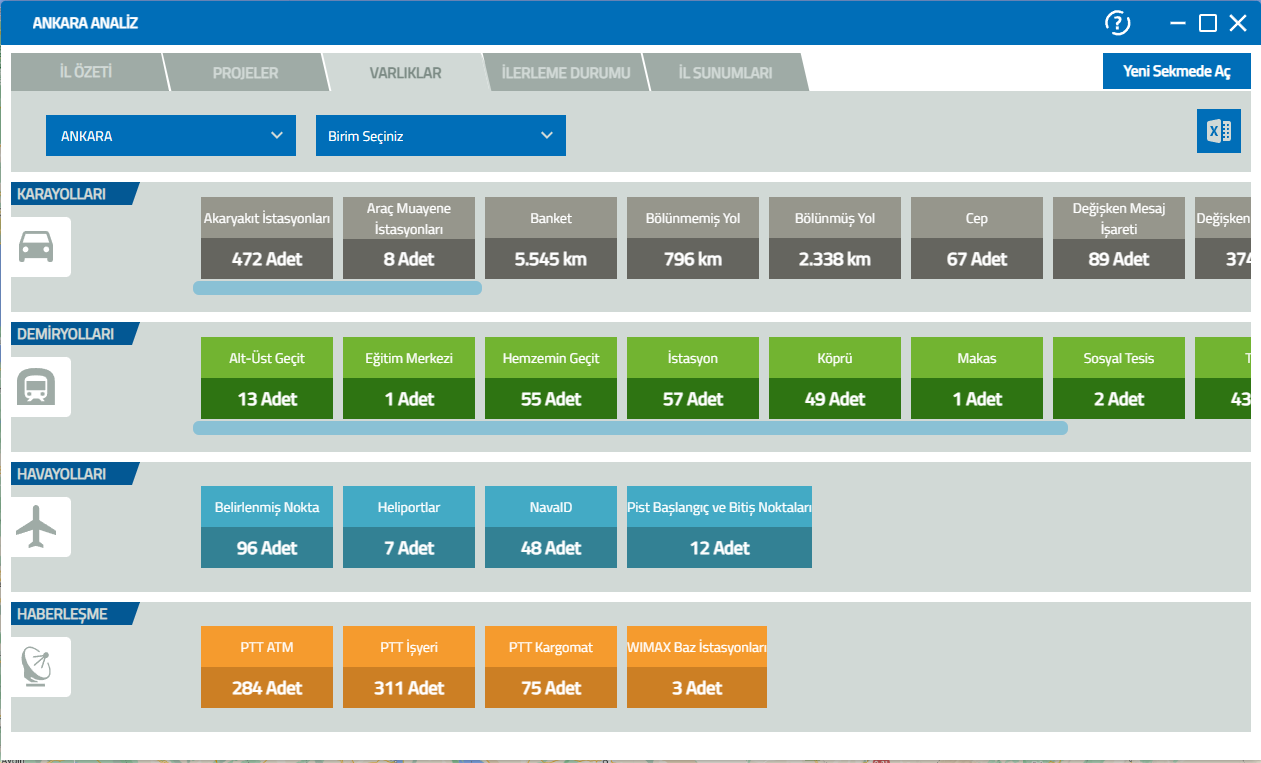
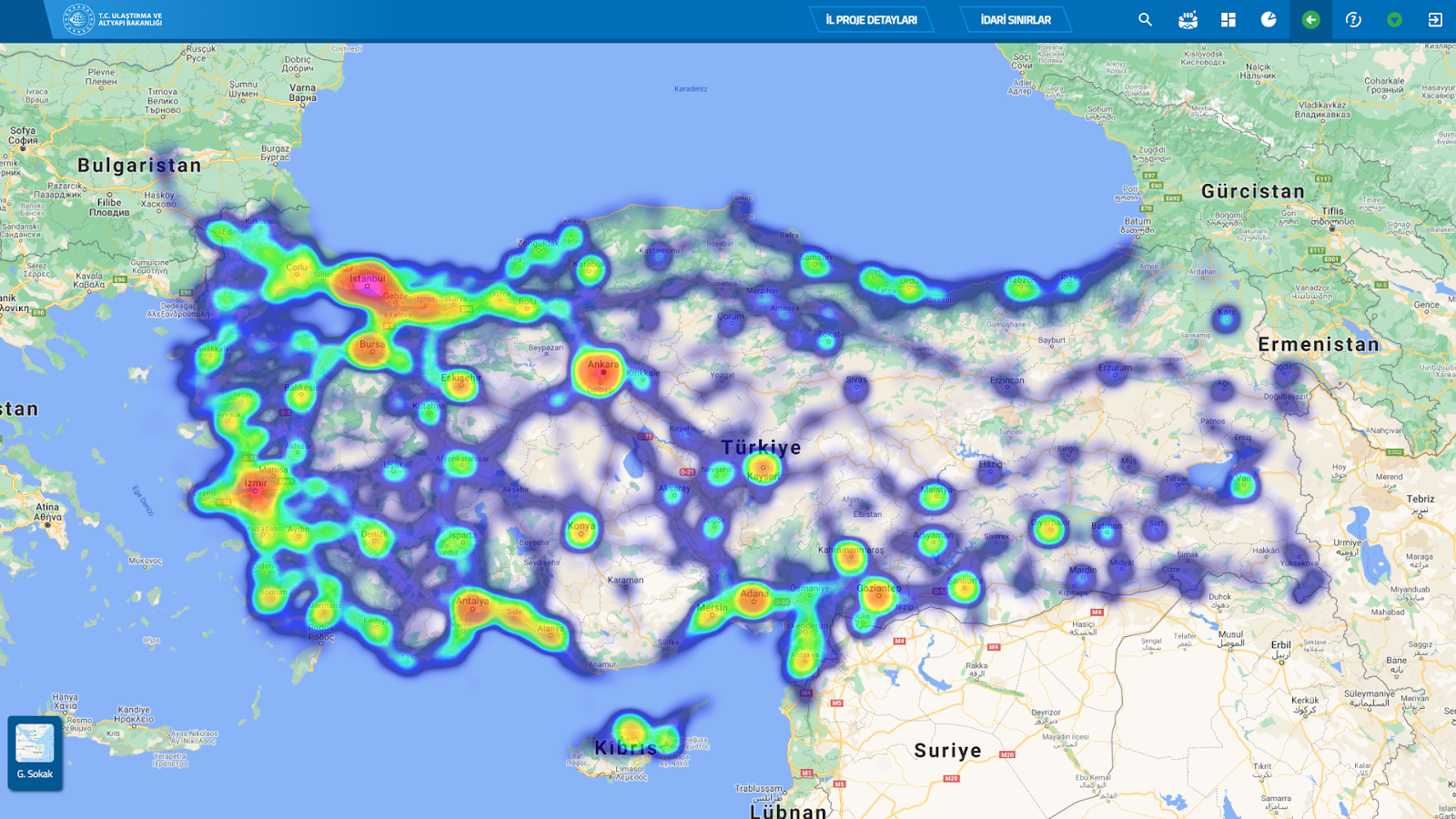
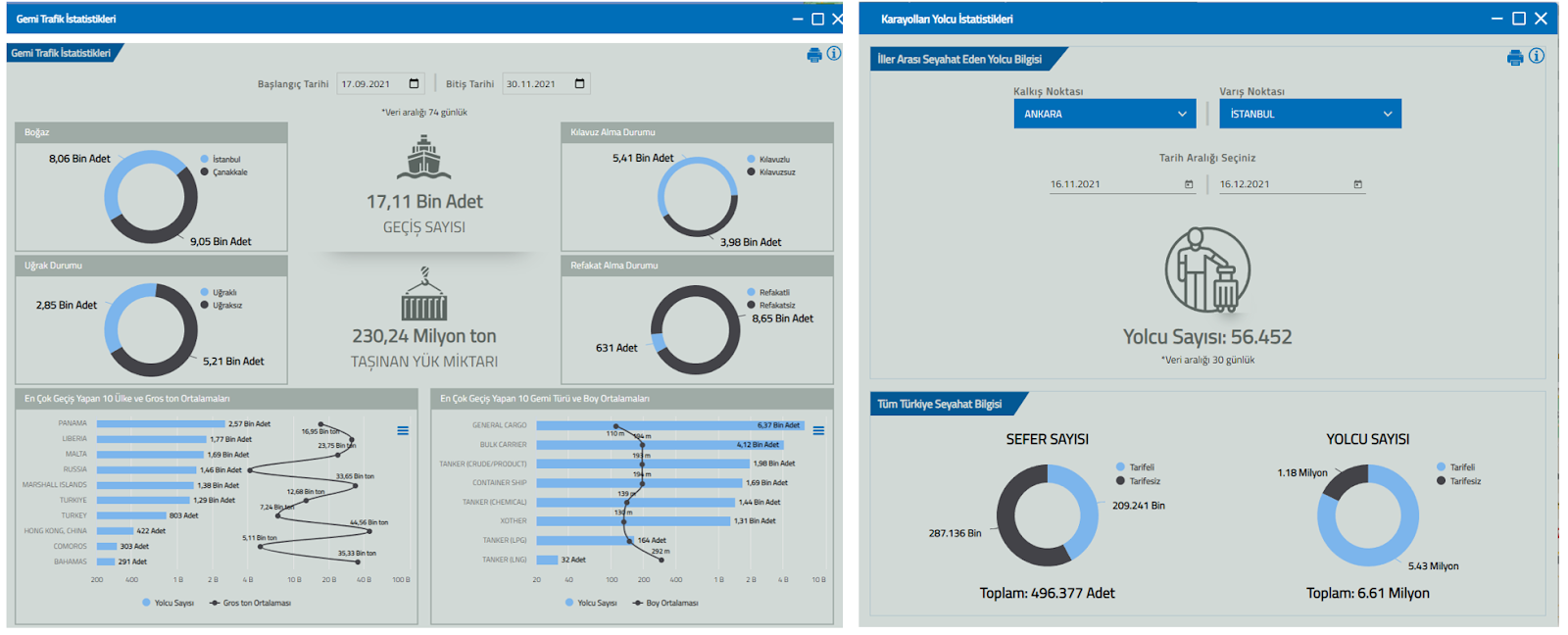
Asset Management System (GIS Portal)
İski
MEB
Software platform that processes sensor data collected from mobile vehicles to create 360° panoramic maps, inventory data, and up-to-date urban information systems.

It is a system created in order to record the data of public investment projects developed throughout the country through a single system, to monitor investment projects instantly and on a provincial / district basis, to view and analyze provincial budgets.
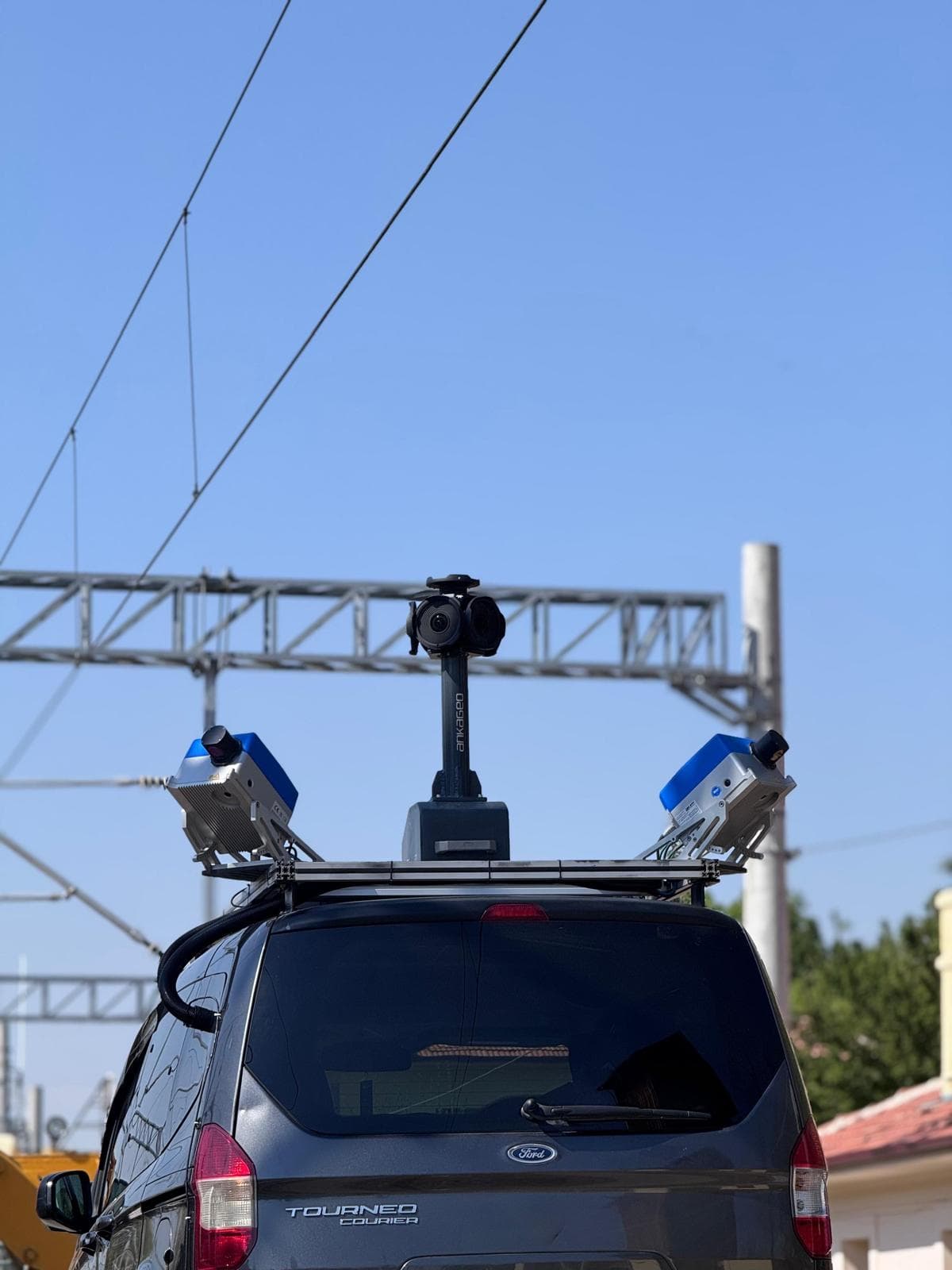
Mobile Mapping is the process of collecting spatial data from mobile vehicles such as cars, drones, boats, trains or airplanes.
An Asset Management System is a GIS-based software platform that allows organizations to monitor, analyze and manage their assets on a location basis. It collects data throughout the asset lifecycle and integrates it into decision-making processes.
It works integrated with geographic information systems (GIS), mobile technologies, big data analytics and artificial intelligence; asset data is managed on a map with location-based context.
It is used in large industrial and production facilities, the energy sector, municipalities, healthcare organizations and financial institutions — in any organization managing an asset portfolio.
It reduces maintenance costs, improves efficient use of resources and service continuity, helps manage operational risks, and provides a competitive advantage through correct scheduling and maintenance strategies.